(1).jpg)

Oxford Researchers Develop Novel Microstent to Advance Glaucoma Treatment
A research team from the University of Oxford has developed an innovative microstent that could significantly improve the treatment landscape for glaucoma, one of the world’s leading causes of irreversible blindness. The findings have been published in The Innovation, highlighting a promising step forward in minimally invasive glaucoma surgery (MIGS).
Addressing the Limitations of Current Glaucoma Treatments
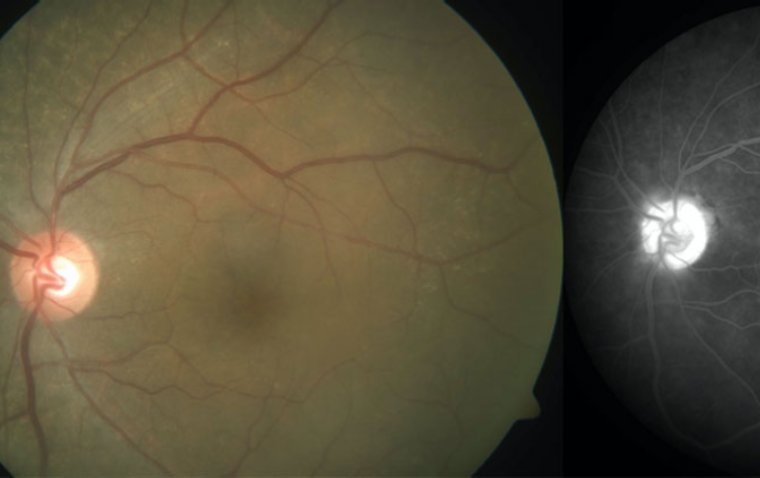
Glaucoma affects millions worldwide, with an estimated 7.7 million people experiencing blindness or visual impairment due to the disease in 2020. This condition is primarily caused by increased intraocular pressure (IOP), leading to progressive optic nerve damage. While conventional treatments often involve creating new drainage channels or implanting tubes, these procedures tend to be invasive, carry risks, and often suffer from long-term durability issues due to fibrosis or scarring.
“Our deployable microstent represents a significant advancement in glaucoma treatment,” said Dr. Yunlan Zhang, lead author of the study, affiliated with the University of Oxford at the time of research and now with the University of Texas. “Current surgical implants for this type of glaucoma have limited long-term effectiveness, being susceptible to failure due to fibrosis in the eye.”
Design and Functionality of the Microstent
The newly developed microstent is engineered with a unique structural design that allows it to expand upon insertion. Measuring only 200 micrometers in diameter, it is small enough to be delivered through a standard hypodermic syringe, allowing for minimally invasive placement.
Once deployed, the microstent supports the space between the sclera (white of the eye) and the conjunctiva (the outer membrane), facilitating the drainage of aqueous humor and reducing intraocular pressure, key to managing primary open-angle glaucoma, the most prevalent form of the disease.
Promising Preclinical Outcomes
Initial preclinical trials in rabbits demonstrated that the microstent led to a notable reduction in intraocular pressure within a month, accompanied by minimal inflammation and scarring. Compared to standard tubular implants, the device achieved greater pressure reduction, suggesting enhanced efficacy.
“Our microstent is made from a durable and super-flexible nickel-titanium alloy known as nitinol,” said Professor Zhong You, senior co-author from Oxford’s Department of Engineering Science. “This material is already established for its long-term ocular safety. Its flexibility and superelastic properties reduce the risk of migration and ensure consistent, long-lasting performance.”
Designed for Long-Term Anatomical Compatibility
To ensure optimal fit and longevity, the researchers utilized advanced modeling techniques during development. The device’s superelastic design allows it to adapt to the natural movements and stretching of the eye over time without deforming, preserving both functionality and structural integrity.
“This development has the potential to transform the landscape of glaucoma therapy,” added Dr. Jared Ching, senior co-author from the Department of Engineering Science. “By offering an enhanced, biocompatible solution in the MIGS space, we aim to improve long-term outcomes and quality of life for glaucoma patients.”
Reference:
Yunlan Zhang et al, A novel deployable microstent for the treatment of glaucoma, The Innovation (2025). DOI: 10.1016/j.xinn.2025.100935