(1).jpg)
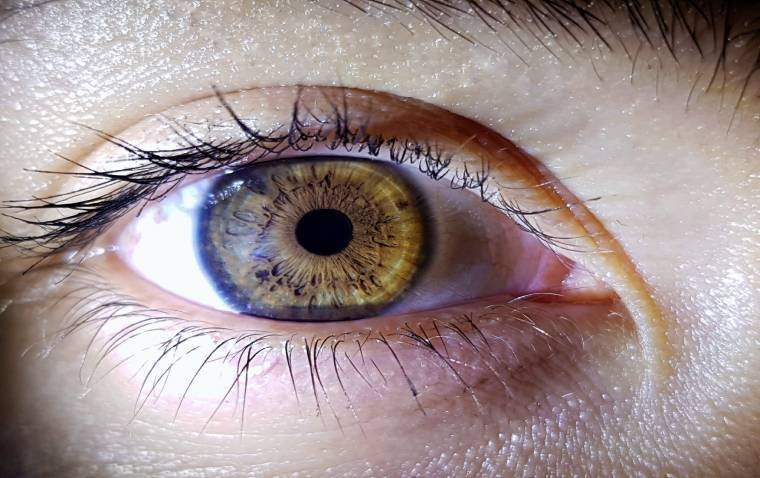
Laser Heat Therapy Shows Potential to Halt Progression of Dry Macular Degeneration
A team of researchers from Aalto University has introduced a promising laser heat treatment for dry age-related macular degeneration (AMD), potentially offering a new way to stop the disease's progression if applied during the early diagnosis phase. The study, led by Professor Ari Koskelainen, was published in Nature Communications.
Cellular Stress, Aging, and Drusen Formation
Professor Koskelainen explains that cellular functionality and protective mechanisms weaken with age, making the fundus, the inside back surface of the eye, more susceptible to oxidative stress. This stress leads to the production of free oxygen radicals, which damage proteins, causing them to misfold and aggregate. Over time, this results in the accumulation of fatty protein deposits known as drusen, the primary diagnostic marker of dry AMD.
Heat as a Therapeutic Trigger
The new method utilizes heat therapy, delivered through near-infrared light, to enhance the protective responses of retinal cells. However, heating the tissue behind the retina poses a technical challenge, temperatures above 45°C can cause damage, and it's difficult to measure temperature behind the retina precisely.
The innovation lies in the ability to monitor tissue temperature in real time while applying therapeutic heat. According to Koskelainen, this approach activates cellular repair systems and stimulates healing responses.
Protein Repair and Autophagy: The Cellular Cleanup Process
Koskelainen explains that misfolded proteins, a hallmark of dry AMD, can be managed by the body in three ways:
1. Heat shock proteins: These are produced in response to heat stress and work to refold damaged proteins into their correct shape.
2. Proteolysis: If refolding fails, the misfolded proteins are broken down into amino acids.
3. Autophagy: When protein accumulations have already formed, the body employs a waste disposal process known as autophagy.
Autophagy involves encapsulating damaged proteins within a lipid membrane, marked by recognition proteins. These guide lysosomal enzymes to degrade and recycle the cellular waste, a process discovered by Nobel Laureate Yoshinori Ohsumi in 2016.
"We were able to show that we can activate not only the production of heat shock proteins, but also autophagy using heat shocks," Koskelainen states.
"This process is like waste disposal."
Proven in Animal Models: Human Trials on the Horizon
The laser-based heat therapy has shown success in mice and pig models. Human clinical trials are scheduled to begin in Finland in spring 2026. The first phase will focus on safety assessment, without evaluating therapeutic outcomes.
Researchers plan to determine optimal treatment intervals, as the therapeutic effects may begin to wane just a few days after application.
“The treatment needs to be repetitive, since the response can already begin to decline some days after the treatment,” notes Koskelainen.
From Lab to Clinic: Commercialization Underway
To bring the innovation to market, the team has established a research-to-business start-up named Maculaser. With an optimistic outlook, Koskelainen believes the therapy could be available in hospital eye clinics within three years, with the ultimate goal of making it accessible through local ophthalmologists.
“An optimistic schedule would see the method already being used in hospital eye clinics in as little as three years’ time,” he says.
“The eventual goal is that it would be readily available at your local ophthalmologist.”
Reference:
Mooud Amirkavei et al, Non-damaging laser treatment with electroretinography-based thermal dosimetry activates hormetic heat response in pig retinal pigment epithelium, Nature Communications (2025). DOI: 10.1038/s41467-025-64095-6