(1).jpg)

Kriya Therapeutics Presents Preclinical Data for KRIYA-825 Gene Therapy in Geographic Atrophy
Kriya Therapeutics has announced promising preclinical results for KRIYA-825, a one-time gene therapy delivered via suprachoroidal injection for the treatment of geographic atrophy (GA). The data were presented at the 2025 Association for Research in Vision and Ophthalmology (ARVO) annual meeting, held May 4–8 in Salt Lake City, Utah.
About KRIYA-825: AAV-Based Gene Therapy Targeting Complement Pathway
KRIYA-825 is an adeno-associated virus (AAV)-based gene therapy that expresses a complement CR2-CR1 fusion protein. This therapeutic design aims to inhibit the activity of both complement C3 and C5, two critical drivers of inflammatory damage in GA. The therapy is administered via a single suprachoroidal injection.
“We are excited about the tremendous potential of KRIYA-825 for the treatment of geographic atrophy,” said Shankar Ramaswamy, MD, Cofounder and CEO of Kriya.
“We are proud of the data that the team has generated to date, and we look forward to continuing to share further updates as we advance KRIYA-825 through clinical development for patients with GA.”
Preclinical Findings in Retinal Degeneration Models
In a mouse model of sodium iodate (NaIO₃)-induced retinal degeneration, KRIYA-825 demonstrated promising efficacy in reducing inflammation and preserving retinal structure.
Key Findings in the Murine Model:
• Dose-dependent preservation of retinal thickness in KRIYA-825–treated mice
• Suppression of inflammatory complement activation, with reduced C3b to iC3b protein levels in treated retinas
These results suggest the therapy’s potential to mitigate inflammatory retinal damage—a defining feature of GA.
Suprachoroidal Delivery Validated in Nonhuman Primates
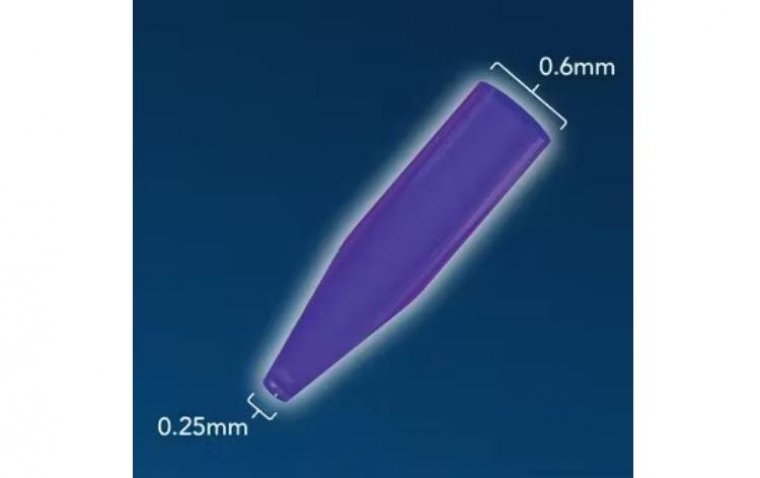
A dose range–finding study in nonhuman primates (NHPs) demonstrated the successful delivery and expression of KRIYA-825 using the Everads Suprachoroidal Injector.
Key Observations from the NHP Study:
• Suprachoroidal injection was well tolerated, with no significant adverse effects
• Robust transgene mRNA expression was detected in target ocular tissues, including the choroid and retinal pigment epithelium (RPE)
• Minimal expression of the transgene outside ocular tissues, indicating targeted delivery
KRIYA-825: Gene Therapy Designed for Long-Term Impact
KRIYA-825 was developed with three primary design objectives:
• Robust Complement Inhibition: The CR2-CR1 fusion protein is designed to block complement-mediated inflammation. The CR1 domain inhibits C3 and C5 activity, while the CR2 domain targets sites of complement deposition.
• Multiyear Durability: Using AAV-mediated gene expression, KRIYA-825 is intended to provide long-term therapeutic benefit from a single dose, potentially replacing the need for ongoing intravitreal injections required by current GA therapies.
• Targeted, One-Time Delivery: Suprachoroidal administration aims to achieve precise delivery to retinal cells while minimizing inflammation and reducing patient burden.
Regulatory Status
As of this announcement, KRIYA-825 has not been approved by the U.S. Food and Drug Administration (FDA). The clinical safety and efficacy of the therapy for the treatment of geographic atrophy have not yet been established.