(1).jpg)
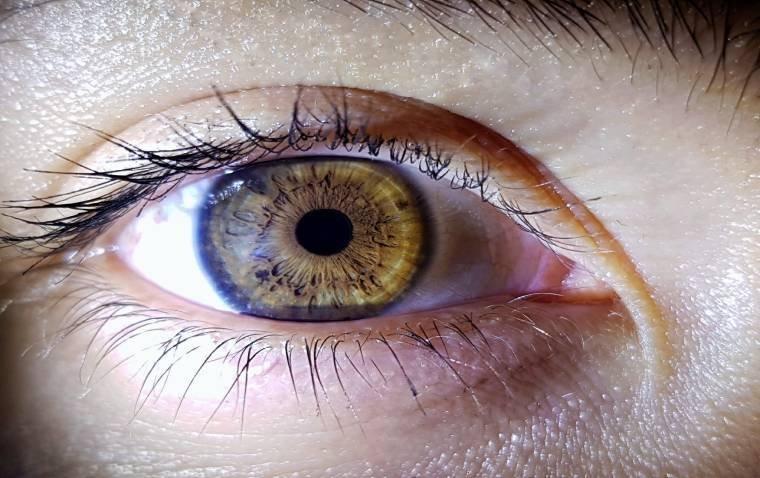
Glutamine Metabolism Plays a Crucial Role in Photoreceptor Health, Study Finds
The retina is one of the body’s most energy-intensive tissues, primarily due to the high metabolic activity of photoreceptors, specialized cells that detect light and transmit visual signals to the brain. The degeneration or death of these cells is a key factor in many retinal diseases, often resulting in irreversible vision loss. While glucose has long been considered the principal energy source for photoreceptors, new research suggests another player may be equally critical: amino acid glutamine.
New Evidence from University of Michigan Researchers
In a study published in eLife, scientists from the University of Michigan investigated the role of glutamine in photoreceptor function and survival. The team, led by Thomas Wubben, MD, PhD, assistant professor of ophthalmology and visual sciences, aimed to explore whether photoreceptors depend on alternative fuel sources beyond glucose.
“Photoreceptors are one of the most metabolically demanding cells in the body, which led us to wonder whether they depend on fuel sources other than glucose for their survival,” Wubben said. “We looked at glutamine because it is the most abundant amino acid in the blood.”
Glutamine supports multiple cellular pathways by helping synthesize amino acids like glutamate and aspartate, as well as proteins and DNA, essential components for cellular health and repair.
Experimental Findings Reveal Key Mechanisms
To determine glutamine’s specific role in photoreceptor metabolism, the researchers used a mouse model lacking the enzyme glutaminase, which converts glutamine into glutamate. Compared to control mice, those deficient in glutaminase showed rapid retinal thinning, a significant reduction in photoreceptor number, and impaired visual function.
Further analysis revealed that the lack of glutaminase reduced levels of glutamate and aspartate, amino acids vital for building the proteins that sustain photoreceptor activity. Additionally, this amino acid deficiency activated the integrated stress response (ISR), a cellular defense mechanism that, if prolonged, can lead to apoptosis. Inhibiting the ISR partially reversed retinal thinning, suggesting a therapeutic target.
Implications for Retinal Disease Treatment
The study underscores the importance of amino acid balance in maintaining retinal integrity and identifies glutamine metabolism as a critical factor in photoreceptor survival. “We are now focused on understanding which pathways depend on glutamine and whether they can be targeted by drugs or supplements,” Wubben noted.
The researchers also observed disruptions in glutamine-to-glutamate conversion in models of human retinal disease, further linking metabolic dysfunction to vision loss.
A Potential Path Forward
These findings open the door to new metabolic strategies for preserving vision in patients with retinal degenerative diseases. By targeting glutamine-dependent pathways or mitigating the associated stress responses, it may be possible to develop novel therapies that improve photoreceptor survival and delay the progression of blinding conditions.
“It is possible that resetting metabolism can help prevent vision loss and blindness,” Wubben concluded.
Reference:
Moloy T Goswami et al, Glutamine catabolism supports amino acid biosynthesis and suppresses the integrated stress response to promote photoreceptor survival, eLife (2025). DOI: 10.7554/eLife.100747.3