(1).jpg)

GLP-1 Receptor Agonists Linked to Reduced Risk of Non-Infectious Uveitis
Researchers from the Cleveland Clinic Cole Eye Institute have identified a potential protective association between the use of GLP-1 receptor agonist (GLP-1RA) therapies and the reduced risk of developing non-infectious uveitis, a serious inflammatory eye condition.
Understanding Uveitis and Its Global Impact
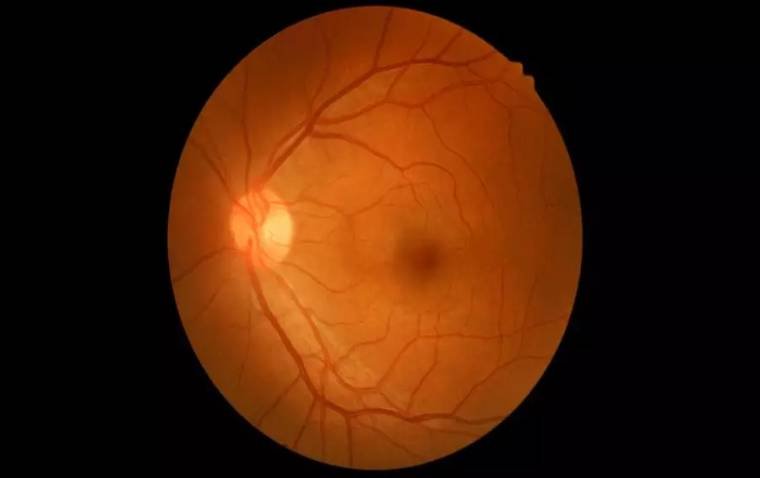
Uveitis is an inflammation of the uvea, the eye’s middle layer, and can also affect nearby tissues such as the retina. It may cause eye pain, redness, blurred vision, and, if left untreated, can lead to irreversible vision loss. Globally, approximately 4 million new cases are diagnosed each year.
Certain individuals, including those with genetic predispositions, autoimmune conditions, or a family history of eye inflammation, are at a heightened risk. Standard treatments include steroids and, in chronic cases, long-term immunosuppressive therapy.
Study Overview and Methodology
The findings, published in JAMA Ophthalmology, are based on a large retrospective cohort study using the TriNetX platform, a global health research network containing de-identified electronic health records from over 120 million patients across 60+ healthcare organizations.
Between 2006 and 2025, the researchers evaluated 516,052 patients, dividing them into two main groups:
• GLP-1RA Group: 258,026 patients prescribed GLP-1 receptor agonists
• Control Group: 258,026 matched patients who were never prescribed GLP-1RAs but may have received other diabetes treatments
Four cohorts were analyzed: the overall population, those with diabetes, those with type 2 diabetes, and those without diabetes. The study focused on the incidence of new onset non-infectious uveitis, with follow-up assessments at one, three, and five years after the first prescription.
Key Findings: A Protective Association
The study’s results indicate that GLP-1RA therapy was associated with a 51.7% relative risk reduction in newly diagnosed non-infectious uveitis across the overall population. This protective effect was consistently observed in all subgroups. Compared to non-users, patients on GLP-1RAs had an approximately 50% lower risk of developing the condition.
“This is the first study to find a protective effect of GLP-1RA therapy for autoimmune disease, which is very exciting and shows a further benefit of these drugs for patients beyond just weight loss and control of diabetes,” said Sumit Sharma, M.D., retina and uveitis specialist at the Cleveland Clinic and senior author of the study.
Broader Implications for Inflammatory Eye Disease
Although GLP-1RAs are primarily prescribed for type 2 diabetes or obesity, this research suggests they may also offer anti-inflammatory benefits, potentially reducing the incidence of ocular inflammation in at-risk populations.
For patients who are already candidates for GLP-1RA therapy due to metabolic conditions, this new evidence may add value by lowering their risk of developing non-infectious uveitis.
Future Directions
While further studies are needed to fully understand the mechanisms behind this effect, the current findings highlight the broader therapeutic potential of GLP-1 receptor agonists in addressing autoimmune and inflammatory eye diseases.
Reference:
Nitesh Mohan et al, Glucagon-Like Peptide-1 Receptor Agonists and Risk of Uveitis, JAMA Ophthalmology (2025). DOI: 10.1001/jamaophthalmol.2025.2822