(1).jpg)
Eye Scan Can Predict Heart Attack or Stroke Risk with 70% Accuracy
A simple digital retinal photograph could predict the risk of a major cardiovascular event, such as a heart attack or stroke, up to a decade in advance, with 70% accuracy, according to research supported by the British Heart Foundation and the National Institute for Health and Care Research (NIHR).
The study, published in Cardiovascular Diabetology, suggests that routine retinal scans could be used not only for early detection but also for tracking heart health over time, with researchers finding a strong link between changes in retinal scan risk scores and the odds of a future cardiovascular event.
AI Analysis for Rapid, Personalized Risk Prediction
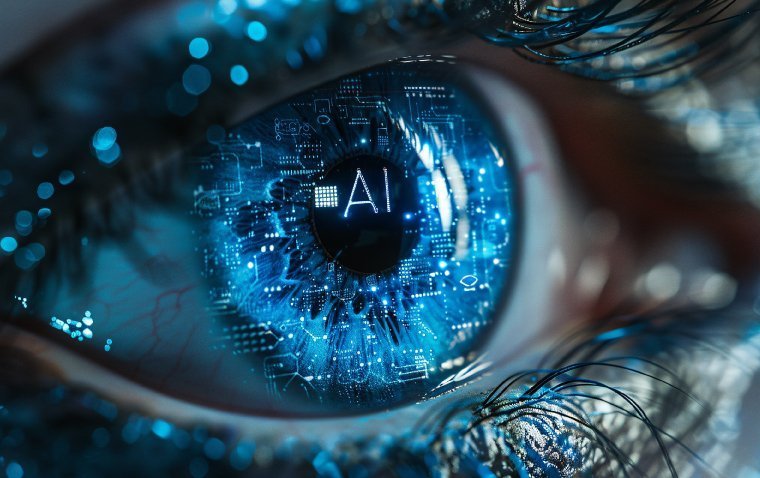
The retinal scan is analyzed by artificial intelligence (AI), which takes just fractions of a second to produce a personalized cardiovascular risk score. Those flagged at highest risk could be referred to their GP for preventive measures such as blood pressure medication or statins to lower cholesterol.
In the future, researchers envision retinal scans performed during routine eye tests could instantly alert patients to their heart health status, potentially via smartphone notifications.
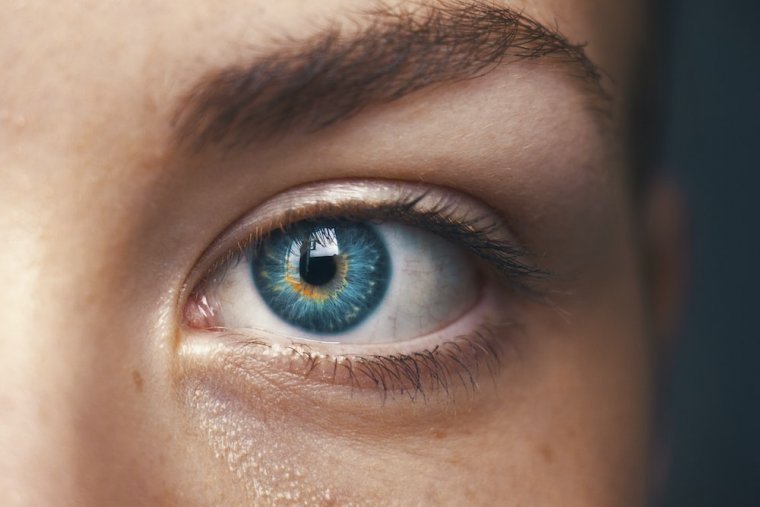
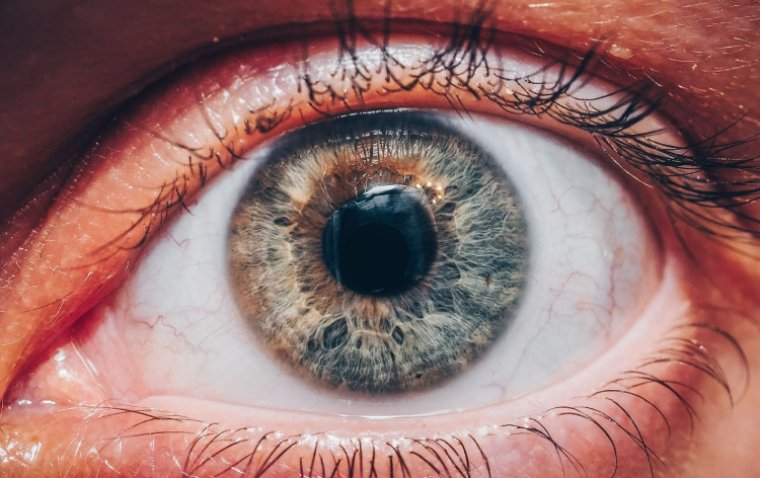
“It may be surprising, but the eyes are a window to the heart,” said Dr. Ify Mordi, British Heart Foundation Research Fellow at the University of Dundee and consultant cardiologist. “If there is damage or narrowing of the blood vessels at the back of the eye, there’s a good chance similar changes are present in the vessels supplying the heart, which could lead to a heart attack or stroke.”
How the AI Technology Works
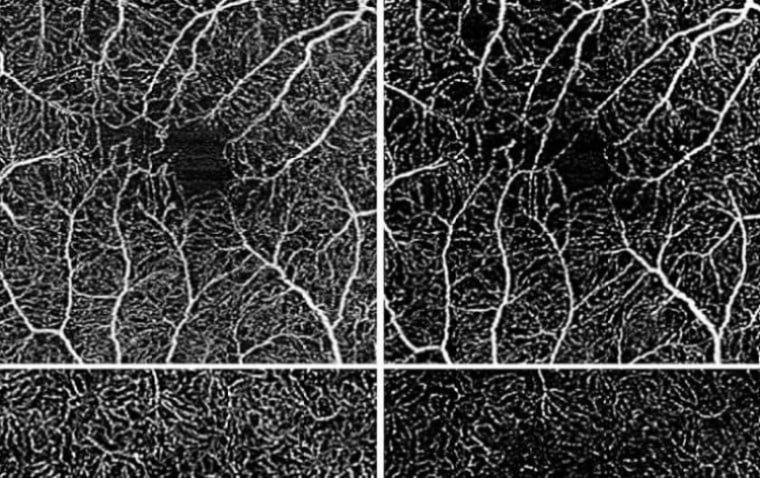
Researchers at the University of Dundee developed the AI tool to analyze standard retinal photographs taken during routine eye exams. The system first searched for red flags such as narrowed or blocked blood vessels and signs of vascular damage. Then, using a “black box” deep learning approach, the AI examined a wide range of image features, such as vessel size and arrangement, without being given explicit rules.
Trained on approximately 4,200 images, the AI was tested on scans from more than 1,200 people, successfully predicting 70% of those who went on to experience a heart attack, stroke, or death from cardiovascular disease within the next decade.
Tracking Risk Changes Over Time
Some participants had a second scan three years after their first. Researchers found that 20% of patients with the largest increase in their AI risk score had a 54% higher likelihood of a major cardiovascular event than the rest of the group.
Notably, even a 3% rise in risk score over three years, for example, an increase from 20% to 23%, was linked to significantly higher risk.
Comparing Current Risk Assessments
The study compared the AI retinal scan results with traditional GP cardiovascular risk scores, which consider factors like age, sex, blood pressure, cholesterol, and smoking status. Both methods identified nearly the same proportion of high-risk individuals.
When the AI retinal score was combined with the traditional clinical risk score and a genetic test, accuracy increased to 73%, potentially identifying an additional three high-risk individuals for every 100 screened.
Initial Testing in Diabetes Patients, Broader Potential Ahead
The AI tool was trialed in people with diabetes, who already receive routine retinal scans on the NHS to check for eye complications. However, researchers believe this approach could work for the general population as well.
The study was a collaboration between clinical researchers, including Dr. Mordi and Dr. Alex Doney, and computer scientists led by Professor Emanuele Trucco and Dr. Mohammad Syed at the University of Dundee.
Expert Perspective and Future Research
“The more accurately we can detect someone’s risk of a heart attack or stroke, the better the opportunities to prevent these happening,” said Professor Bryan Williams OBE, chief scientific and medical officer at the British Heart Foundation. “Cutting-edge innovations, like retinal scans alongside health checks, could help improve risk prediction, which is essential if we are to meet our goal of preventing 125,000 heart attacks and strokes in the UK by 2035. However, more research is needed to confirm the robustness of these predictions and to determine the feasibility of integrating retinal scans into clinical practice.”
Reference:
Mohammad Ghouse Syed et al, Deep-learning prediction of cardiovascular outcomes from routine retinal images in individuals with type 2 diabetes, Cardiovascular Diabetology (2025). DOI: 10.1186/s12933-024-02564-w