(1).jpg)
Kala Bio Discontinues Development of KPI-012 Following CHASE Trial Failure
Kala Bio has announced that its Phase 2b CHASE clinical trial (NCT05727878) evaluating KPI-012 for the treatment of persistent corneal epithelial defect (PCED) did not meet its primary endpoint, nor did it achieve statistical significance in key secondary efficacy measures. As a result, the company has decided to discontinue development of KPI-012, and halt activities related to its mesenchymal stem cell secretome (MSC-S) platform.
CHASE Trial Overview and Results
The CHASE trial was a randomized, multicenter, double-masked, vehicle-controlled study conducted across 37 sites in the United States and Latin America. A total of 79 patients were enrolled and randomized to receive KPI-012 ophthalmic solution at two dosage levels: 3 U/mL and 1 U/mL.
KPI-012, described by Kala as an ophthalmic solution derived from human bone marrow secretome, contains a combination of extracellular matrix components, growth factors, cytokines, and neurotrophic factors intended to promote corneal healing.
Despite showing a favorable safety profile and being well-tolerated, the trial results did not support further development, as neither the primary nor secondary endpoints were met.
Background on PCED and Unmet Need
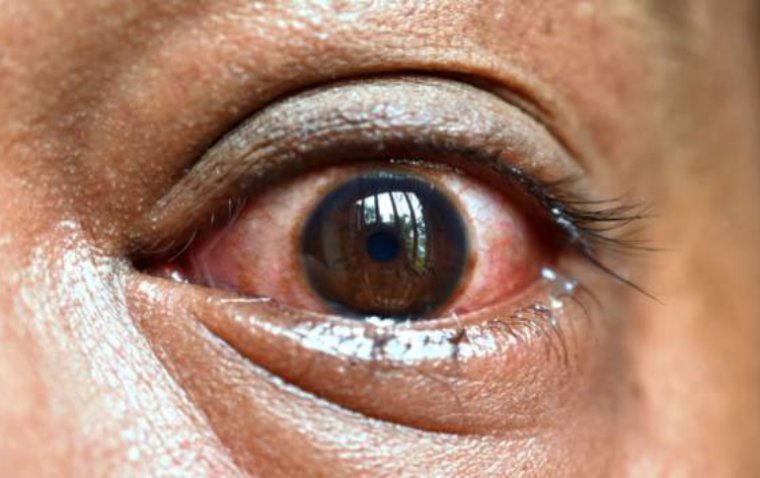
Persistent corneal epithelial defect (PCED) is a serious ocular condition characterized by non-healing corneal wounds that are refractory to conventional treatments. Kala estimates there are approximately 100,000 cases annually in the United States, representing a significant unmet medical need in ophthalmology.
Regulatory Designations and Prior Expectations
KPI-012 had previously received both Orphan Drug Designation and Fast Track Designation from the U.S. Food and Drug Administration (FDA), reflecting the clinical interest in its potential. Earlier Phase 1b data had shown encouraging safety and tolerability, raising hopes for positive results in the Phase 2b program.
Company Response and Operational Changes
Kim Brazzell, PhD, Head of R&D and Chief Medical Officer of Kala Bio, expressed disappointment at the trial outcome:
“We are disappointed to see the results of the CHASE study given the positive results KPI-012 yielded in the Phase 1b study. KPI-012 continued to be well-tolerated and demonstrated a favorable safety profile but did not demonstrate the efficacy results that would warrant advancing the program for treatment of front-of-the-eye diseases. We would like to thank all of the patients and investigators who participated in the CHASE trial.”
Following the failed trial, Kala Bio will also end development of its MSC-S platform, which includes the technology behind KPI-012. The company has announced plans to reduce its workforce and implement other cost-saving measures, although specific details regarding timing or the number of affected employees have not yet been disclosed.